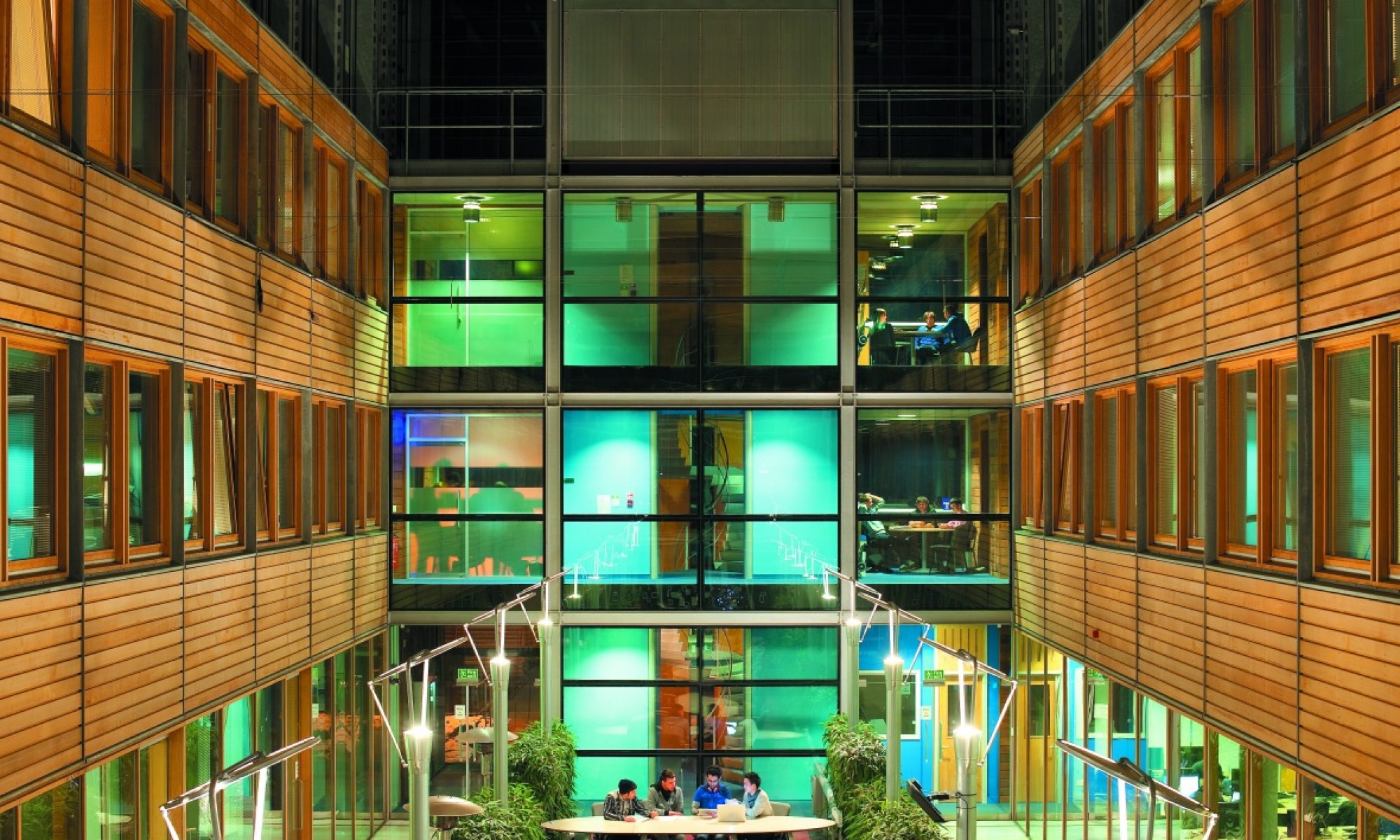
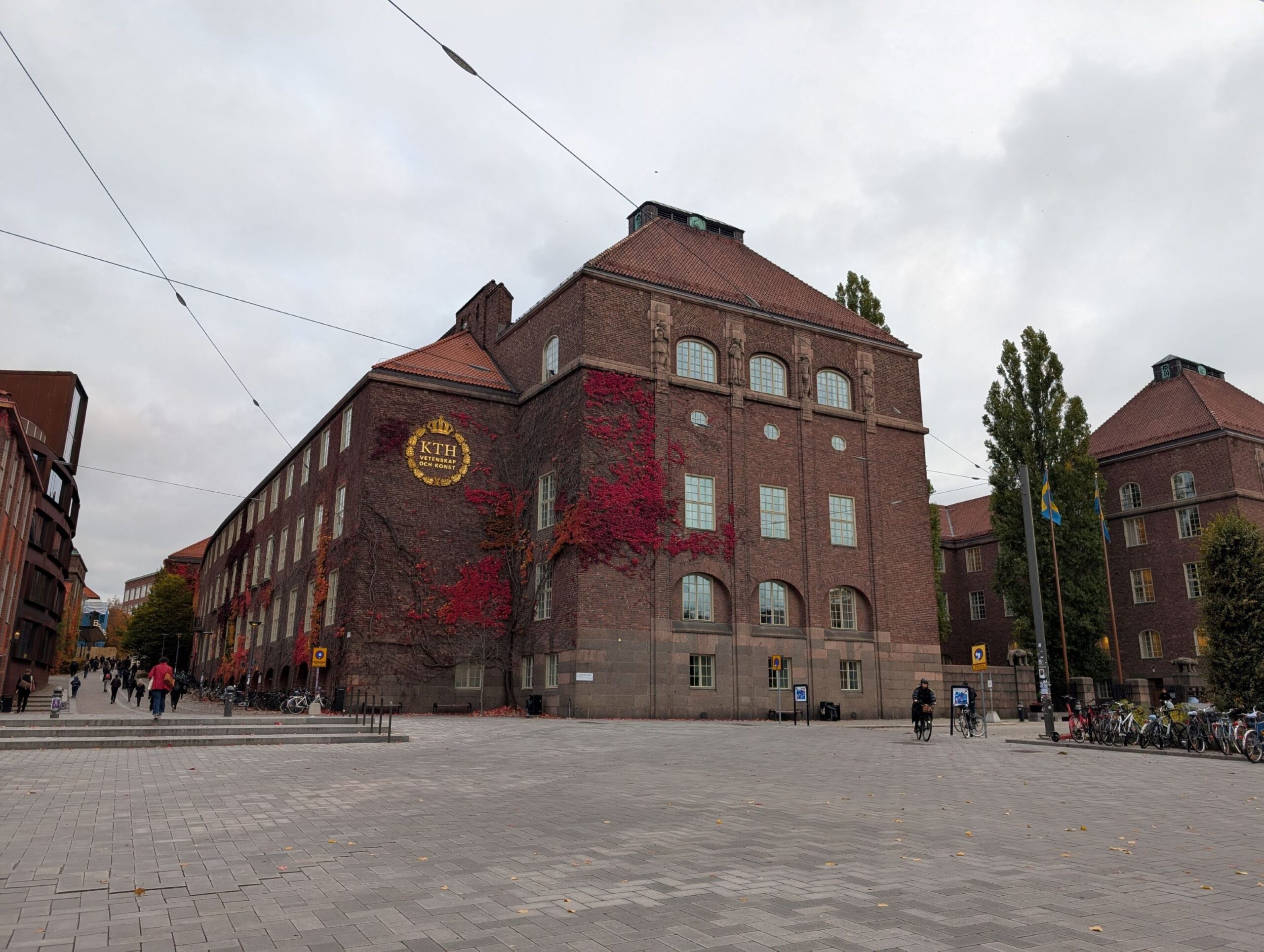
We’re delighted to share a new blog post from Horizon CDT student Angela Higgins, who has just returned from a month-long research exchange at KTH Royal Institute of Technology in Stockholm. Hosted by Professor Kristina (Kia) Höök, Angie spent late October to late November immersing herself in the lab’s work on embodied interaction design and feminist research methods.
Below, Angie reflects on the purpose of her exchange, the projects she worked on and what she took away from her time in Sweden.
post by Angela Higgins (2022 cohort)
Purpose of the Exchange
At the end of October 2025, I travelled to Stockholm for an exchange at KTH Royal Institute of Technology, working alongside Professor Kristina (Kia) Höök and her team, who specialise in embodied interaction design. I had previously visited the group in September 2024 for a week-long soma design workshop on chronic pain (the focus of my PhD research). That experience opened up new ways of understanding movement, sensation, and embodied experience. It also led to further collaboration (including co-writing papers and further workshops in Nottingham) and left me wanting to deepen my understanding of somaesthetic design methods.
I applied for the International Exchange grant so I could return to KTH and spend time with the team, fully immersing myself in the culture of a research group whose work centres on feminist approaches, embodied methods, and lived experience. I wanted to learn, reflect, and bring those practices back into my own work with older adults and assistive robotics.
Planned Activities
Before arriving, I planned to take part in a series of soma design workshops, spend focused time writing and thinking alongside collaborators from previous events, and simply join the everyday rhythms of the lab, from informal discussions to collaborative planning sessions.
What I Worked On
I took part in several collaborative planning and writing sessions on ongoing projects, which felt far richer and more effective than working over Zoom. I also had the chance to experiment with the brand-new Haptic Bits soma design toolkit for haptic prototyping. Alongside this, I sat in on project planning meetings to observe how ideas develop and how collaboration is nurtured within the lab. Finally, I participated in multiple soma design workshops, from small, simple sessions to large, complex multi-day events.
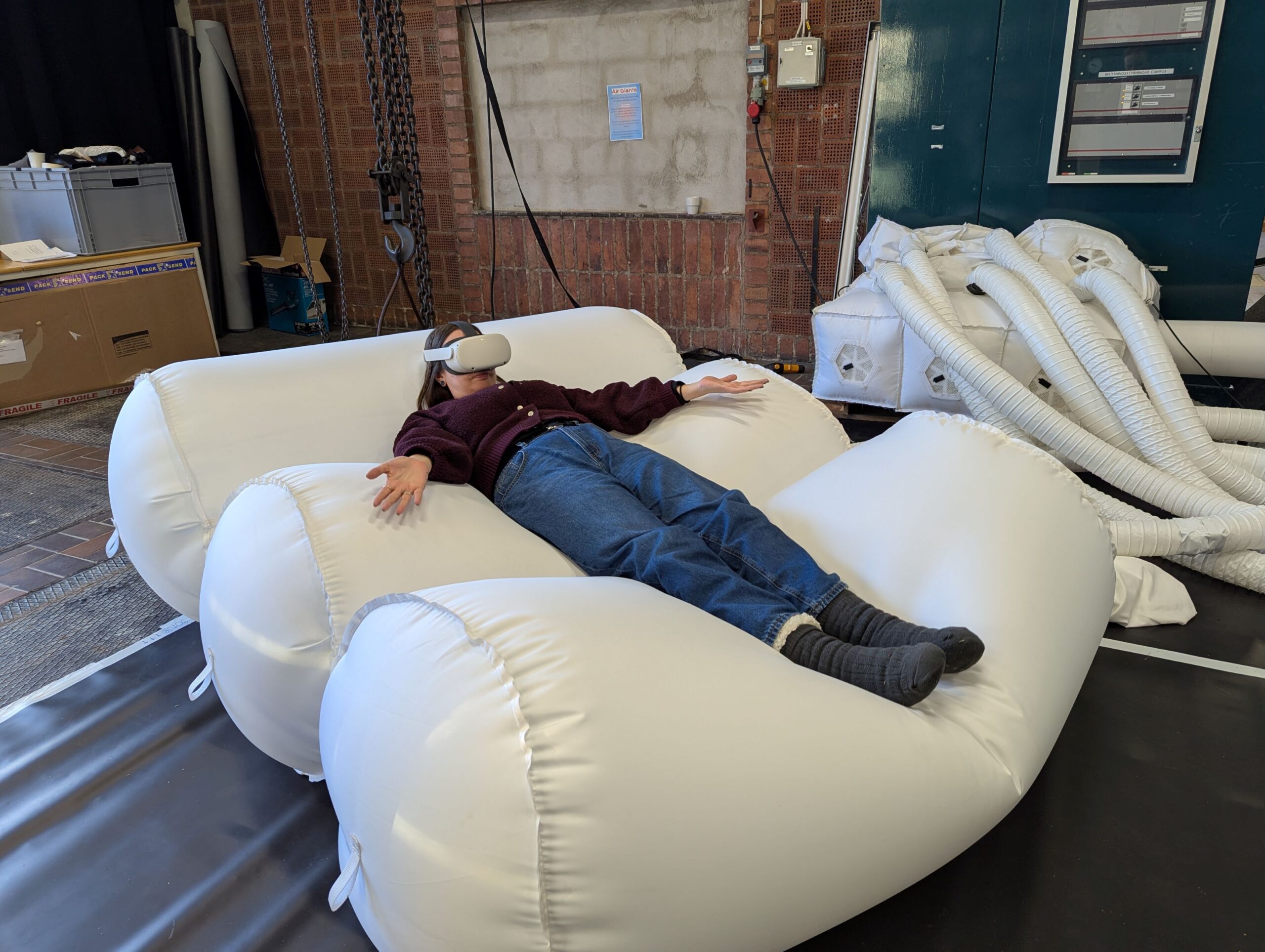
The main event of my visit was a three-day soma design workshop with Air Giants and researchers from KTH, Uppsala University, KAIST, and the University of Copenhagen. Air Giants, an arts company based in Bristol, create enormous, soft, interactive robots. These are big, squishy, playful machines usually seen at festivals. For this workshop, they brought a series of full-body, wearable robot prototypes for us to explore.
Our challenge was to investigate interactions and experiences with these robots, and my group worked under the theme “Touching and Being Touched.” While the robots certainly touched us (a lot, and often quite firmly), we initially struggled to understand where our own active touch fit within the interaction. By the final day, however, we created a “touching loop” by involving an additional human to control the robot, resulting in a unique and surprisingly intimate interactive experience.
The workshop was also beautifully illustrated throughout by artist Jenny Soep, offering a creative and expressive form of data capture. Overall, the event demonstrated the value of researchers spending hands-on time with emerging technologies and how physical exploration can spark new ideas in ways difficult to achieve through discussion alone.
What I Learned
I gained a much deeper understanding of soma design as both a method and a stance. Working in person with colleagues I usually only see on Zoom allowed us to build a richer collaborative relationship, helping me develop ideas around feminist approaches, embodied knowledge, and co-creation.
I also expanded my network, meeting researchers from a wide range of fields who are exploring body-centred design, interaction, health, actuation, sensing, and wellbeing from fascinating angles.
Challenges
One challenge during the exchange was finding out that our CHI paper had been rejected. Although disappointing, it became a shared moment of solidarity within the group. Several colleagues were going through the same cycle of revisions, rejections, and resubmissions, and it was reassuring to be surrounded by people who understood the frustration. We commiserated together and vented over fika, which turned the setback into a chance to connect, reflect, and regain momentum.
A Light-hearted Note
On the subject of fika (regular work breaks where people gather to drink coffee, eat something sweet, and chat) I quickly grew fond of the slow, social rhythm it creates. Stepping away from our screens for a few minutes became a simple but meaningful way to connect with the group, share ideas, and ease into the everyday life of the lab. And I have to give a special mention to kanelbullar, the cinnamon buns found everywhere in Sweden, which are particularly delicious.
Conclusion
My month at KTH was an invaluable opportunity to immerse myself in a research culture deeply aligned with my own interests in embodiment, care, and co-design. The exchange strengthened existing collaborations, introduced me to new perspectives, and gave me hands-on experience with emerging somaesthetic tools and methods. I returned inspired, energised, and equipped with new ideas to bring into my work with older adults and assistive robotics. Most importantly, the time spent with colleagues (both in workshops and over fika) reinforced the value of slow, thoughtful, embodied ways of working that place lived experience at the centre of design.
 |  |
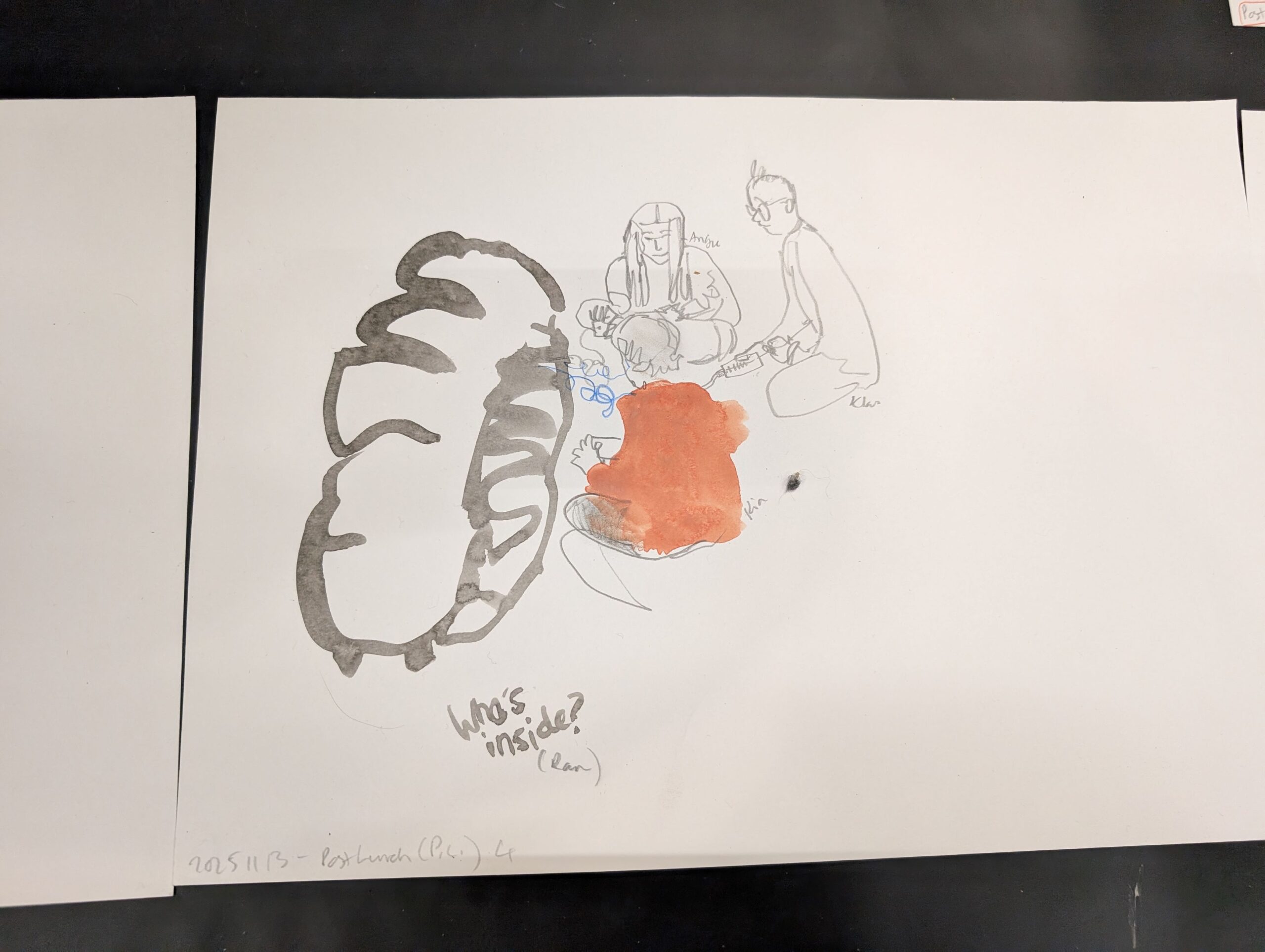 drawing by Jenny Soep drawing by Jenny Soepwww.instagram.com/jennysoep/ | 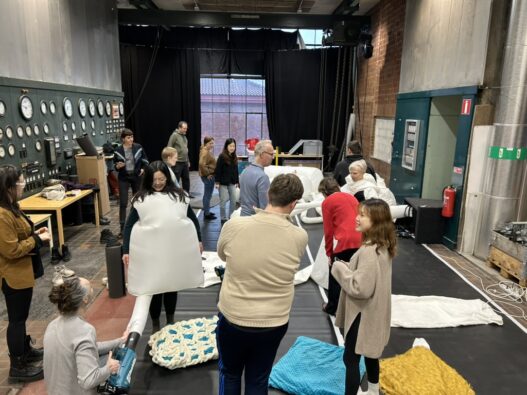 |